
{This post contains affiliate links. If you buy through them, I may earn a small commission at no extra cost to you. Thank you for supporting helping men and women fulfill their dream vocations}
Choosing a niche and figuring out your target audience can be more difficult than it seems. Many people when they first start their business try to appeal to everyone or pick something because it looks profitable. Narrowing your focus makes everything way easier and way more fun. The sooner you really find your niche, the quicker you’ll see real results too.
What Happens If You Skip Defining Your Niche?
Jumping in without narrowing your focus can lead to problems and waisted time. Here are common ways beginners are held back:
- You blend in with every other creator in your space.
- Your message feels generic, and your content doesn’t really land with anyone.
- Trying to cover too many topics gets exhausting fast.
- It’s tough to know what products, services, or content to offer.
When you spend time to define your niche and audience, you will started attracting the people who really want what you offer.
What Is a Niche?
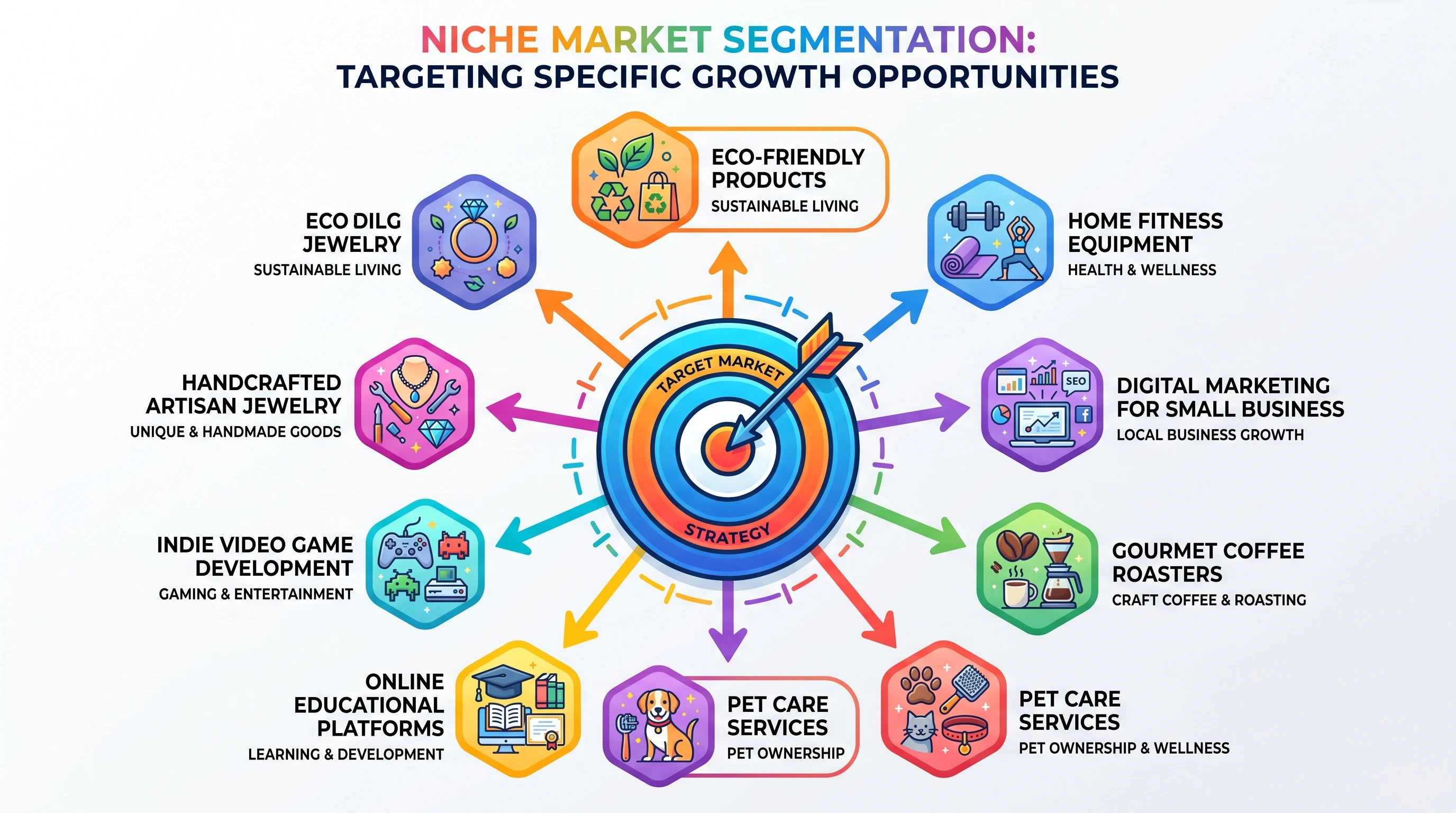
According to Webster, a niche (regarding business) is: A Small, specialized segment of a market focused on a specific product, service, or target audience rather than mass appeal. So, in your case this is a specific topic, area, or problem you specialize in. It’s the space you claim online or in a brick & mortar business. Your niche isn’t just what you do; it’s who you help and how you solve their needs.
Here are some easy examples to get you thinking:
- Instead of just “fitness,” think “body weight workouts for busy moms.”
- Instead of “cooking,” think “plant based meal prep for college students.”
- Instead of “photography,” think “Property photography for Real Estate Agents”
Is it my belief that you should select your niche based on what you love, what you’re good at, and what people will actually pay for or care about. There are some in the business world who would disagree with this and say that you can start a business in any niche regardless if you like it or not. Personally- this would not work for me. I love Fitness, Photography, and helping others to be successful with online business. I have a business for all 3 of these and nothing else.
Ways to Narrow Down Your Niche
Start with Your Interests and Strengths
As I’ve stated, begin with what you know, what you’re really passionate about, have experience with, or an area that are genuinely curious about. It’s way easier to create and connect with people when you care about the topic. Make a list of your hobbies, skills, past jobs, or problems you’ve solved for yourself or others. For example, maybe you’re passionate about ecofriendly living, have a background in tech support, or love making pottery. Any of these could spark niche ideas that align with what you enjoy doing every day.
Research What People Need
Once you have some ideas, check what real people are asking about online. Google Trends, Reddit, Facebook Groups, and Answer the Public are pretty handy for this. If you spot a bunch of questions or frustrations in your potential topic, that’s a good sign there’s an audience. Go a step further and check out reviews on Amazon or read blog comments to see what solutions people are still searching for. The more you listen, the clearer the gaps become.
Look at the Competition
Look at what others are doing in spaces you’re interested in. Don’t worry if there’s competition; it usually means there’s demand. The key is to find an angle or subtopic that bigger brands aren’t talking about much. Maybe you offer a local twist, target a specific age group, or bring your unique style to the table. Even picking a different format, like videos instead of text, can set you apart and help attract a dedicated following.
You May Also Want to Read: Transitioning from 9-5 To Full Time Online Entrepreneurship
Get Specific with Your Audience
Once you have a rough niche, think about your audience’s:
- Age range and life stage
- Location (local, global, city based, etc.)
- Interests or hobbies
- Problems they want to solve
- Goals or dreams
For example, “pet health” is broad. “Holistic dog care for urban dog parents” is a specific niche with a target audience in mind. Taking it further, you could zero in on natural remedies for small dog breeds in apartments. This makes your message laser focused and relatable to a certain group of people.
Best Practices for Nailing Down Your Niche and Audience
Mix Passion with Demand
You definitely want to enjoy your niche, but check there’s an actual market. I have used free tools like Google Keyword Planner or just browse Amazon and YouTube to see what’s popular. It’s smart to check Instagram and TikTok too. Social media trends can help you spot rising areas of interest in real time. Balancing what you love with what people want is the sweet spot you’re aiming for.
Talk to Real People
Don’t just guess what your audience wants. Spend time in forums, check social media groups, or chat with people in your target group. I’ve learned so much from direct messages and casual conversations. These early conversations will help your website, marketing, and offers hit closer to home. You can even run a simple poll or post a question to get feedback from your community before launching anything big.
Test Before Going All In
Try sharing some content or small products to see how people respond. Even a simple Instagram post or survey can reveal if your idea is resonating with your core audience. If you get feedback or engagement, you’re probably on to something. Don’t be afraid to adjust your approach based on what you hear; feedback is priceless at this stage. Consider setting up a quick freebie, like a PDF guide, to build your first email subscribers and see who shows up.
Stay Open to Adjusting
Your niche and audience will likely change a little bit as you get experience and feedback. I’ve changed direction more than once, and every time, it helped my brand grow. Listen to what your audience needs, not just what you planned. Agility is a strength in this early phase; you might stumble upon a new angle that feels even more authentic and impactful than your original idea.
Stories from Those Who Nailed Their Niche
“I used to write about frugal living for everyone, but when I focused just on single moms, my email list finally took off.” – Leah R.
“Switching from general photography tips to iPhone photography for travelers was the best move I made. My engagement and traffic doubled that month!” – Mike D.
“I wanted to help people grow their own food, but targeting vegans who live in small spaces made my content way more popular.” – Sarah P.
Ready to Pick Your Niche?
- No experience or tech skills needed.
- No pressure to get it perfect on your first try.
- Just a real opportunity to connect with people who want your help.
Start by brainstorming ideas, researching what people actually need, and being willing to try different directions. Smaller, more specific niches usually win out over broad ones, and it makes everything feel more personal and meaningful.
This is your chance to stop spinning your wheels and build something you’re happy to stick with. Remember, your unique combination of skills and perspective is what will help you stand out. Don’t be afraid to get specific or pivot as you grow. Great brands start small, authentic, and focused. If you’re still not sure where to begin, write down a few interests and check online if others share those interests. You might be surprised at how many people are looking for exactly what you can offer. So take that first step today, and soon enough, you’ll build a brand and audience that feels just right for you.
What has been your experience so far with deciding on a niche? Easy, difficult? Please leave in the comments below!