
Passive income keeps popping up as a buzzword, and honestly, affiliate marketing is one of the most approachable ways to start. If you’re new to the world of earning money while you sleep, you might be wondering if affiliate marketing is still a legit path in 2026 or if it’s just another overhyped internet promise. I’ve been around the online income scene for a while, so in this guide I’ll break down how beginner friendly affiliate marketing really is, what it involves, how to get started, some best practices I follow, where exactly to place those affiliate links for the best results, and what the Wealthy Affiliate program is all about.
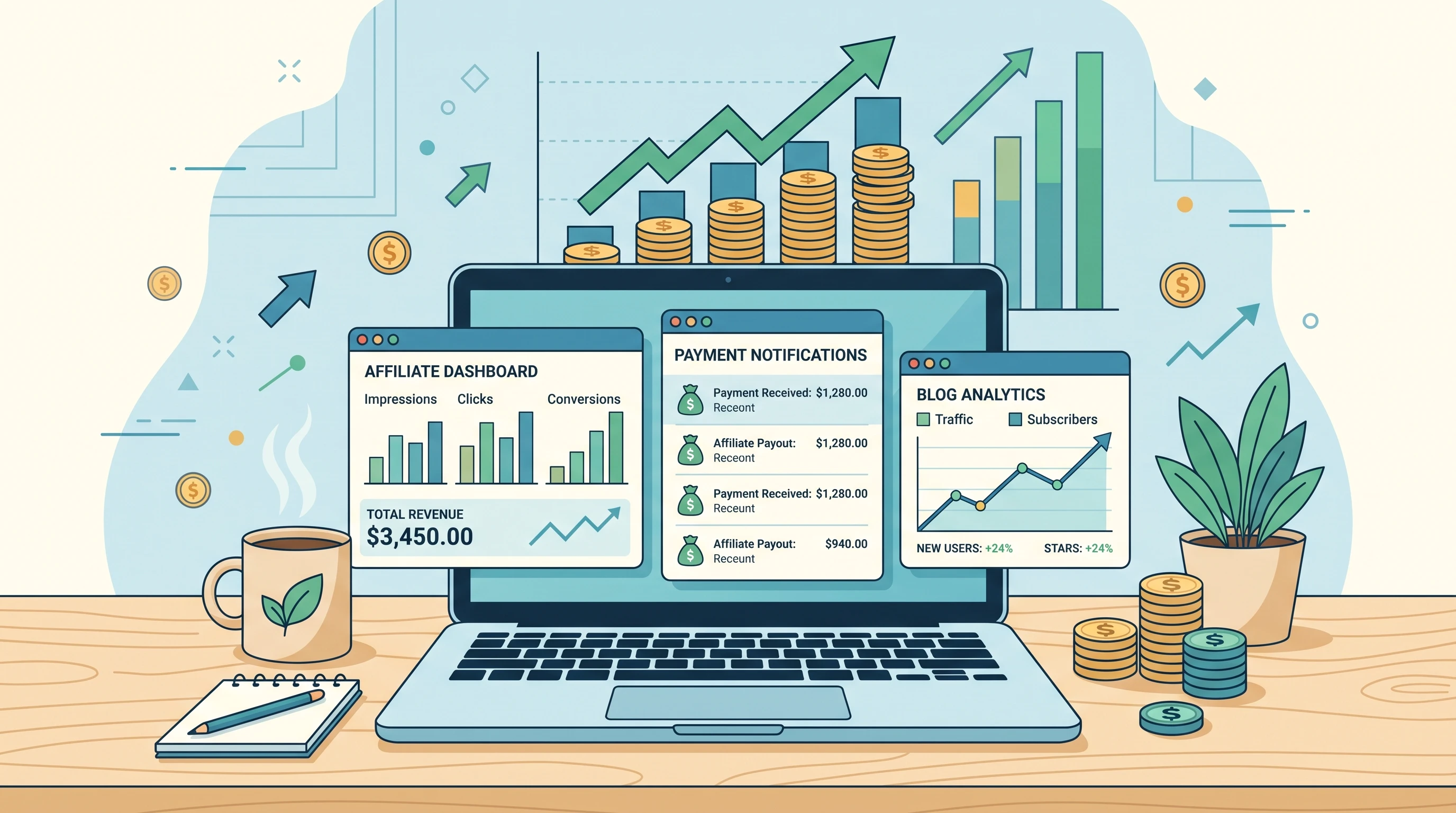
Is Affiliate Marketing Still a Legit Way to Make Passive Income in 2026?
By now, you may have heard the term “affiliate marketing” everywhere, from blog posts to YouTube videos claiming you can quit your job in six months. It’s fair to be skeptical. In 2026, affiliate marketing isn’t a get-rich-quick scheme, but it’s still a reliable method for earning ongoing commissions if you approach it with patience and a willingness to learn.
Affiliate marketing works a bit differently today than it did even a few years ago, mostly because buyers are smarter and platforms change their algorithms often. But the basics hold true: you recommend products you like (or at least, trust), and if someone buys through your unique link, you get a commission. Tons of companies—from big brands to indie startups—depend on affiliates to help them reach new customers. That’s why the opportunity remains open to everyone from hobby bloggers to serious marketers. If you’re willing to create value and build trust, affiliate marketing is totally worth checking out as a side hustle or long-term business idea.
What Is Affiliate Marketing? Understanding the Basics
Affiliate marketing is a way for content creators, bloggers, video makers, or anyone with an online presence to earn money by promoting products or services. The concept is pretty simple:
- You join an affiliate program (many are free to join).
- You get a special trackable link for products or services.
- You share that link in your content, blogs, videos, email, etc.
- If someone clicks your link and makes a purchase, you earn a commission.
The percentage you earn varies, but it can be a onetime payment or even a recurring revenue if the product is a subscription (think web hosting, SEO tools, and similar services). This means, once your content is up and running, you can keep earning from it even when you’re not actively working on it. That’s what makes affiliate marketing a nice fit for building passive income over time.
How Affiliate Marketing Works in Simple Terms
Companies want more people to know about their offerings, so they recruit affiliates, people like you, to spread the word. Affiliates promote those products using unique links, and when visitors buy something (or sign up, or complete a trial), the affiliate earns a commission. Some programs pay for clicks or leads even if no sale happens, but most pay you for actual sales.
The process runs on tracking technology, so companies know exactly who referred what sale. All you really need is a platform (a blog, social page, email newsletter, or YouTube channel), the right products, and content that connects buyers with stuff they actually want.
How to Get Started With Affiliate Marketing in 2026
Jumping into affiliate marketing takes a bit of prep work, but you definitely don’t have to be a marketing expert or web developer. Here’s how I suggest getting started:
- Pick a Niche You Genuinely Like: Stick to topics you’re either interested in or know well. If you’re into cooking, tech gadgets, fitness, gaming, gardening, or budgeting—go for those. Creating good content is easier when you care about the subject.
- Find Affiliate Programs: Lots of companies run their own affiliate programs, and there are networks (like Amazon Associates, ShareASale, CJ Affiliate, or Rakuten) that collect offers from all sorts of industries. Sign up for programs that match your niche.
- Pick the Right Platform: Blogs and websites are popular, but YouTube channels, podcasts, TikTok, Instagram, or newsletters also work. Choose something that feels natural for you, the point is to have an audience and add value.
- Start Creating Content: Write, film, record, or post content that helps your audience solve problems or find what they need. Honest reviews, comparison guides, and tutorials work really well.
- Add Your Affiliate Links: These go in your content where it’s useful and relevant. Always be upfront with your audience about affiliate links (a simple disclosure keeps things transparent and builds trust).
- Promote Your Content: Learning a bit about SEO, social sharing, and email marketing helps people actually find what you’ve made. Sharing your work is as important as making it.
Don’t get stuck waiting for perfection. In affiliate marketing, learning by doing is really important. The earlier you start, the faster you learn what works.
What Is the Wealthy Affiliate Program?
If you’ve started researching affiliate marketing, you’ve probably come across Wealthy Affiliate (WA) at some point. Wealthy Affiliate is an online platform designed for teaching affiliate marketing, hosting websites, and providing a supportive community for both beginners and more seasoned marketers. I actually checked it out for myself, so here’s the scoop in my own words.
Wealthy Affiliate offers step by step training courses that go over the basics, choosing your niche, building your site, and attracting visitors. What sets it apart from a lot of free YouTube channels is the hands-on nature: it provides hosting, keyword research tools, a website builder, and access to a community forum where you can ask questions and get support.
The program also lets you promote Wealthy Affiliate itself as an affiliate, which is pretty common in educational platforms. You can use what you learn to promote any other affiliate program, though, you’re not locked into just one offer. The recurring commissions on WA memberships can add up if you refer people who stick with the training for the long haul.
Pros and Limitations of Wealthy Affiliate
- Beginnerfriendly step by step lessons
- Allinone: hosting, domains, and community support
- Solid for people who want accountability and a clear roadmap
- The monthly or yearly membership is an investment, so it’s worth testing the free starter tier to see if it fits your learning style
Honestly, Wealthy Affiliate was one of the first online programs I tried when starting out, so I have firsthand experience with its strengths and the type of people it’s best for (selfstarters and folks who want a structured environment). If you thrive on group learning and want to avoid dozens of scattered tools, it’s worth checking out.
Best Practices for Successful Affiliate Marketing in 2026
Affiliate marketing pays off most when you focus on providing value instead of just pushing products. Here are some habits I developed that really made a difference in both earnings and long term trust:
- Always Put Your Audience First: Recommend stuff you’d actually use or buy. Your reputation matters in affiliate marketing and helps you build lasting passive income.
- Be Honest and Transparent: People appreciate candor, and so do search engines. Let your readers/viewers know that you’re using affiliate links. It’s not just polite, it’s a requirement in a lot of countries.
- Become a Real Resource: Write or record reviews that jump into both the good and not so good. Compare products, offer tips, and share personal experiences if you have any. The more genuinely helpful you are, the more people trust your recommendations (and actually click your links).
- Update Content Regularly: Old links, new options, product changes; keep your content current so people know they’re getting reliable info. Outdated posts mean lost sales.
- Focus on SEO Basics: You don’t need to be a pro, but basic keyword research and onpage optimization help your stuff rank better. Thankfully, there are lots of free SEO tutorials out there.
- Don’t Overload on Links: Too many affiliate links in a single post or video feels spammy. Stick to one or two per section so visitors don’t get overwhelmed.
- Build an Email List Early: Email marketing brings repeat traffic and lets you recommend products multiple times, not just once. Even a simple signup form helps you stay connected to your community.
Where to Add Affiliate Links: Best Places for Beginners
Getting your affiliate links in front of the right audience means knowing which platforms and types of content work best. Here’s where I’ve had the most success and what’s working for creators these days:
Blogs and Websites
Blogs have been the classic platform for affiliate marketing. A blog gives you control over your content, lets you optimize for search engines, and allows you to go as indepth as you want. Guides, reviews, and how to posts are solid places for affiliate links. Tip: placing context relevant links within useful posts (not just banners or sidebars) gets much more engagement.
YouTube and Video Content
YouTube is massively popular for affiliate marketing in 2026. You can drop your affiliate links right in the video description, pin them to a comment, or use onscreen QR codes (which is easier than ever now). Product comparisons, unboxings, and walkthroughs work especially well. Honestly, seeing someone use or review a product on camera adds credibility, and viewers are more likely to click when they see you care about what you’re showcasing.
Email Newsletters
It’s easy to overlook email, but it’s possibly the most direct and valuable place to share affiliate recommendations. You can send curated roundups, product highlights, or exclusive bonuses. Just be sure to follow your country’s disclosure laws and send affiliate links only to people who opted in to receive them. I find weekly or biweekly emails work best for not overwhelming your audience.
Social Media: Instagram, TikTok, and Beyond
Shortform content is here to stay. Instagram Stories, Reels, and TikTok allow clickable links (or easy prompts to check your bio for the latest offers). Use quick tips, short reviews, or “top 5 products” roundups. Most programs give you mobilefriendly link formats, so sharing is pretty easy. Just keep in mind that link placement rules can change depending on the platform, so doublecheck each one’s guidelines.
Podcasts
Podcasts offer a cool opportunity for affiliate recommendations, especially if your niche is a good fit for audio content (think wellness, tech, or parenting). Read out your affiliate links or provide a short, memorable custom URL during episodes, and always list them in the show notes for easy access.
Online Communities and Forums
This isn’t where you spam links, but if you’re an active, valuable member (Reddit, Quora, nichespecific forums), you can sometimes recommend resources that include your affiliate links. Just follow each community’s rules. Sharing genuinely useful links in response to people’s questions often creates more longterm trust than “dropping” your link without context.
Troubleshooting Common Affiliate Marketing Roadblocks
No one gets everything right from day one, and the world of affiliate marketing can feel crowded, especially in popular niches. Here are a few hurdles I ran into and how I got over them:
- Low Traffic: Patience and consistency are key. Keep making quality content, promote it on socials, and revisit your SEO basics. Even one post a week is better than none.
- No Clicks or Sales: Try more indepth reviews, compare a few products, or offer exclusive bonuses (like your own checklist or eBook) as an extra perk for using your link. Sometimes people need a little nudge or more info before taking action.
- Feeling Overwhelmed: Break things down. Focus on learning one new skill at a time, SEO, then email, then maybe checking out video.
- Program Rejection: If a brand denies you, don’t sweat it. Lots of affiliate programs have automatic approval, especially on bigger networks. Once you start getting traffic, you can always apply again later.
- Staying Up to Date: I set a calendar reminder to check my affiliate links and product pages every month. Companies sometimes change their URLs, so a quick check helps you avoid broken links and lost commissions.
Frequently Asked Questions: Affiliate Marketing for Beginners in 2026
Is affiliate marketing actually passive income?
If you put in the work upfront, creating quality, evergreen content, affiliate marketing can keep generating commissions long after you made your original post or video. I still get small payments from blog posts I wrote years ago, but I check in often to update links and refresh information.
How long does it take to make your first sale?
Some people get lucky in their first month, but for most, it takes a few months to see any real traction. Focus on building trust and growing your audience. It pays off over time.
Do I need my own website?
Nope, but it really helps. You can start on social platforms or even YouTube. That said, owning a website means you control the platform, have more flexibility with SEO, and aren’t at the mercy of algorithm changes.
What if I have no experience in marketing or web design?
I started as a complete newbie, and honestly, most successful affiliates did too. There are tons of beginnerfriendly resources out there. Take things one step at a time, and don’t get discouraged if you don’t see instant results.
Is affiliate marketing saturated?
There’s definitely a lot of competition, especially in hot niches like tech and fitness. But there’s always room for a fresh perspective, new content formats, or targeting an underserved audience (like a specific age group, budget, or language).
Final Thoughts on Building Passive Income With Affiliate Marketing
Earning true passive income from affiliate marketing isn’t a shortcut to quick riches, but it’s one of the few online income models that’s still beginnerfriendly, scalable, and, most importantly, helpful to real people. It’s all about matching your interests with products that actually solve problems for your audience, and doing it honestly, with valuable content.
Start small, keep showing up, celebrate your wins along the way, and always keep learning. The skills you pick up through affiliate marketing, content creation, marketing, traffic generation, are useful for all sorts of digital projects and business ideas down the line. Whether you stick with one niche or branch into several, the habits you build now can bring steady, reliable income way beyond 2026.
More Tips for Scaling Up and Staying Ahead
Once you’ve made your first sales, don’t just sit back and hope the money keeps rolling in forever. Here are a few ways I found helpful for taking affiliate income from casual side cash to a more solid financial boost:
- Test new types of content, a quick video, a deepdive blog guide, or a checklist can reach new people who don’t read/watch your usual stuff.
- Team up with other creators in your niche for joint reviews, webinars, or bundles. This helps you both grow your audiences.
- Keep an eye on new affiliate programs and trending products. The market switches up every year (sometimes every month) and getting in early on a new tool, service, or product category can really pay off.
- Keep reviewing your analytics to see what’s working, then double down on your bestperforming content. When something flops, learn from it and try a new approach.
- Don’t forget to update old content; links change, better products come out, and your readers want the latest info.
Affiliate marketing in 2026 and beyond is about being helpful, honest, and consistent. If you’re ready to put in the time, the rewards are pretty sweet—steady commissions, community trust, and valuable skills that you can use anywhere online.